Setting the workplace up for success: what 2025 taught us and how leaders should prepare for 2026
Posted on 17 December 2025
2025 was a year of consolidation for most, and not really a year of small adjustments for the workplace. Organisations moved beyond debating whether hybrid, wellbeing and sustainability mattered, and into implementing measurable change. The result was a shift in how offices are planned: the workplace is now being treated as a strategic tool for talent, productivity and resilience rather than simply square footage to be managed. Several robust data points from 2025 make that clear: hybrid arrangements now represent the default working pattern for large swathes of knowledge workers, and a significant share of the workforce say stricter full-time return policies would prompt them to leave, which is a concrete market signal that workplace design must support employee choice, as reported by The Guardian.
Below we set out the evidence-based trends that shaped 2025, translate them into practical implications, and propose the workplace design priorities business leaders should commit to in 2026.
What actually happened in 2025? Here are five defining trends
1. Hybrid and flexible work moved from theory to operational strategy.
Organisations accepted hybrid work as a long-term reality and adjusted space strategy accordingly: fewer fixed desks, more bookable collaboration zones, and an expanded role for flexible and third-party workspaces. Global workplace surveys and market reports in 2025 show occupiers increasingly combining HQ design with local flexible nodes to reduce commutes while maintaining team cohesion. That shift is a visible in market behaviour, where flexible workspace brands and landlords are formalising flexible offers and fit-out services to capture this demand.
2. Employee wellbeing became measurable and prescriptive.
Wellbeing moved from a perk to a business metric. Employers in 2025 invested in environments that demonstrably reduce stress and support recovery: acoustics, thermal comfort, daylighting, quiet focus rooms and safe breakout settings. National and sector reports documented this prioritisation: firms that linked workplace redesign to wellbeing programmes reported improved engagement scores and reduced absence.
3. Sustainability and material transparency accelerated procurement choices.
Sustainability was no longer seen as optional for corporate real estate teams. Clients asked for low-embodied carbon materials, circular procurement options, and vendor transparency on lifecycle footprints, particularly for furniture and fit-out choices. Consultancy guidance in 2025 positioned sustainable fit-outs as a risk-mitigating, brand-protecting investment.
4. Nature-focused and hospitality-led design increased its share of specification.
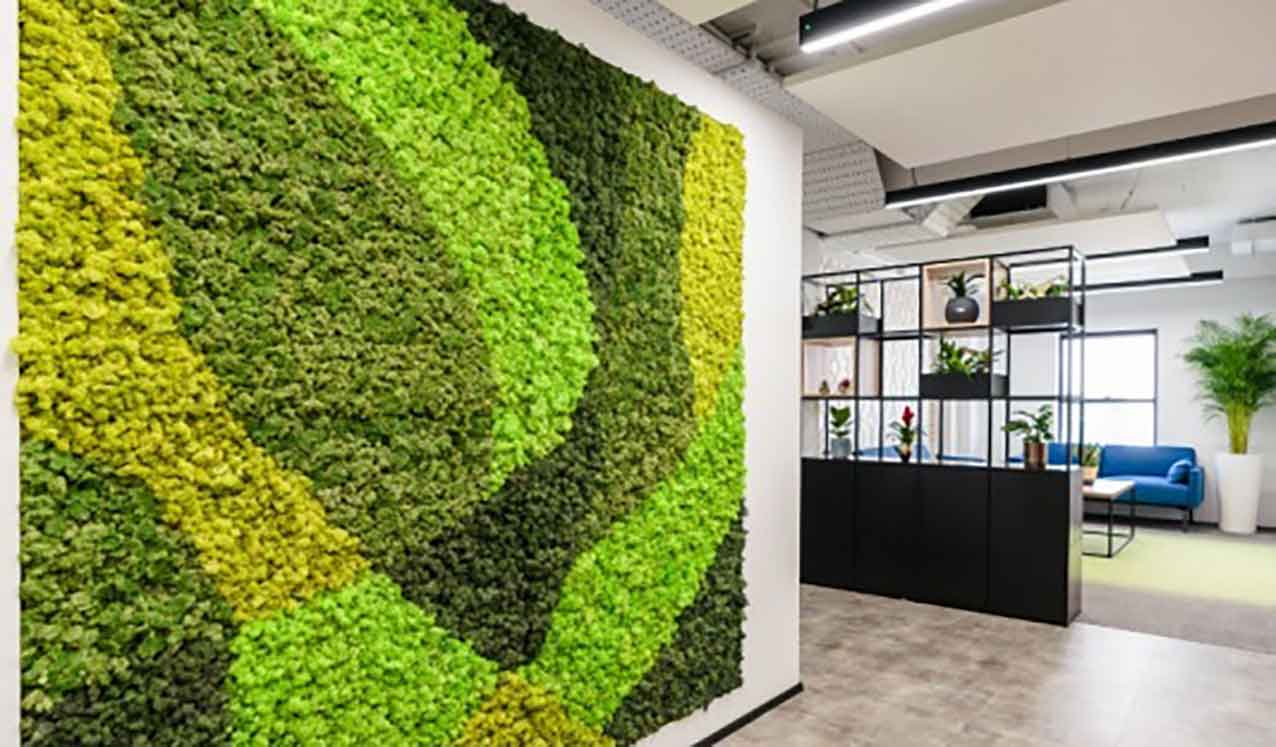
Designers leaned into nature, natural materials and hospitality cues (cafés, lounges, welcoming receptions) to make the office an attractive destination for collaboration and social capital. Biophilic elements such as plants, natural light, tactile timber finishes and views were correlated with improved retention and subjective wellbeing in workplace research released across 2025.
5. Technology and data informed space utilisation, not the other way round.
Sensor and booking data matured into actionable occupancy planning. Teams used analytics to adjust how much collaborative versus focused space they needed and to reallocate real estate across a portfolio. This data-driven approach underpinned smarter, often smaller, but higher-quality headquarters.

What are the practical consequences for leaders?
The blunt reality for leaders is this: the modern office must offer choice, measurable wellbeing gains, and a credible sustainability story or it will fail to attract and keep talent. From a procurement and operations perspective that means:
- Specifying furniture and fit-outs that support multiple postures and tasks (hoteling and touchdown, collaboration and focus), with clear performance data (durability, warranty, lifecycle emissions).
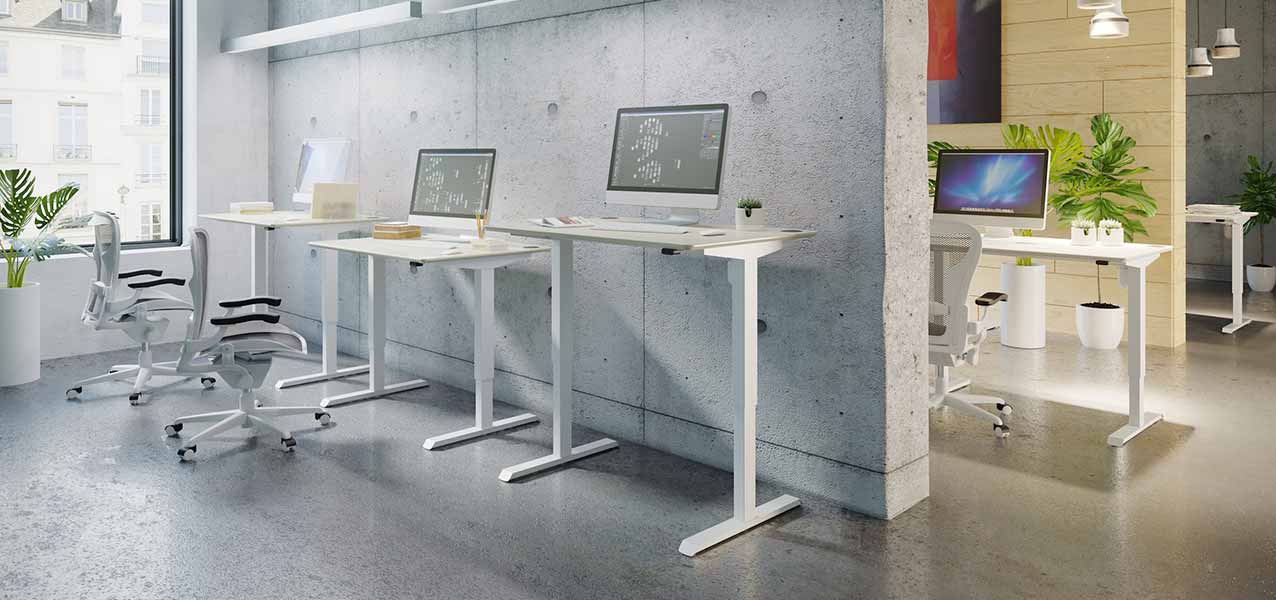
- Prioritising interventions that influence day-to-day employee experience (acoustic pods, soft-seating in breakout zones, ergonomic task seating and adjustable desks) rather than cosmetic upgrades.
- Building a workplace analytics feedback loop so redesign decisions are evidence-based and reversible.
What to expect in 2026: four tested predictions
Prediction 1 — “Choice as strategy” becomes formal policy.
Where 2025 normalised hybrid, 2026 will see organisations codify choice: formal policies that specify core-in-office days aligned to team rhythms, supported by zones designed for those rhythms. Offices that offer predictable, well-designed team days and decentralised access points will see higher engagement and lower commute-related churn. Evidence from 2025 employee polls reported by The Guardian suggests failure to offer choice risks resignations; leaders should treat workplace policy as talent strategy.
Prediction 2 — neighbourhood and distributed hubs scale.
Corporate portfolios will adopt a hub model: smaller branded neighbourhood hubs close to where people live, plus a high-value flagship HQ for culture and major events. This reduces commute time and spreads real-estate exposure across demand corridors. Early 2025 data on flex growth in London and other markets supports this move.
Prediction 3 — circular procurement and “right to repair” specifications are standard.
Companies will increasingly demand furniture with clear end-of-life pathways: take-back, remanufacture and modularity that reduces waste. Procurement teams will move from single-purchase price metrics to total cost of ownership and embodied carbon KPIs. Expect supplier RFPs in 2026 to include lifecycle scoring.
Prediction 4 — design for neurodiversity and inclusivity moves from niche to baseline.
Design solutions that support neurodiverse employees (acoustic zoning, choice of lighting, quiet rooms, clear circulation) will become part of legal-risk and inclusion planning. Leading organisations will embed these design principles into workplace briefs and furniture specifications. Research and practitioner guidance published in 2025 highlight both demand and measurable benefits. Journal of Biophilic Design+1
How Sygnus helps organisations translate strategy into spaces
At Sygnus we see these trends not as abstract design ideas but as procurement and operational imperatives. Here are the concrete ways we partner with leaders:
1. Evidence-backed workplace audits and scenario planning.
We combine occupancy analytics, employee surveys and business-process mapping to recommend the right mix of touchdown, collaboration and focus spaces. This ensures any investment targets measurable outcomes like attendance, collaboration hours, or reductions in cost per seat. (We base recommendations on the same occupancy and workplace data sources used widely in the sector.)
2. Specifying resilient, circular furniture systems.
Our product selection emphasises modular systems, long warranties, and take-back/remanufacture options that reduce lifecycle carbon. Where clients require, we model total cost of ownership and embodied carbon impact so procurement teams can compare like-for-like.
3. Wellbeing-first interiors.
We design with acoustics, daylight, biophilic elements and ergonomic standards at the centre and not as afterthoughts. For clients wanting measurable improvements we help set wellbeing KPIs (sick-day reduction, engagement scores) and align fit-outs to those targets.
4. Flexible delivery models for hybrid portfolios.
Sygnus delivers a mix of HQ fit-outs, neighbourhood hub packages and managed furniture services for flex locations. That allows organisations to scale up or down without depreciating assets or losing brand consistency. We work with landlords and flex operators to align fit-outs with changing demand.
Clear next steps for leaders reading this
- Treat workplace policy and workplace design as the same programme, set a twelve-month plan linking policy, place and procurement.
- Run a lightweight occupancy and employee-preference audit (4–6 weeks) before deciding on large capital works.
- Insist on furniture specifications that include lifecycle data and take-back options.
- Start small: test a neighbourhood hub or a hospitality-led pilot in one team before portfolio roll-out.
The design winners in 2026 will be organisations that treat the workplace as a strategic lever: evidence-driven, choice-focused, wellbeing-centred and materially responsible. That requires partners who can translate policy into practical fit-outs, and products into programmes. If your brief for 2026 is to increase retention, reduce friction from commuting, and make real estate work smarter for your people, then as ever, Sygnus can help you set the plan and deliver it.
Tagged as: